According to the Cotton Development Board (CDB), Bangladesh currently produces more than 224,000 bales of cotton lint annually, meeting around 16–17% of domestic demand. The government plans to raise production to 500,000 bales by 2030 before reaching 1.9 million bales by 2050.
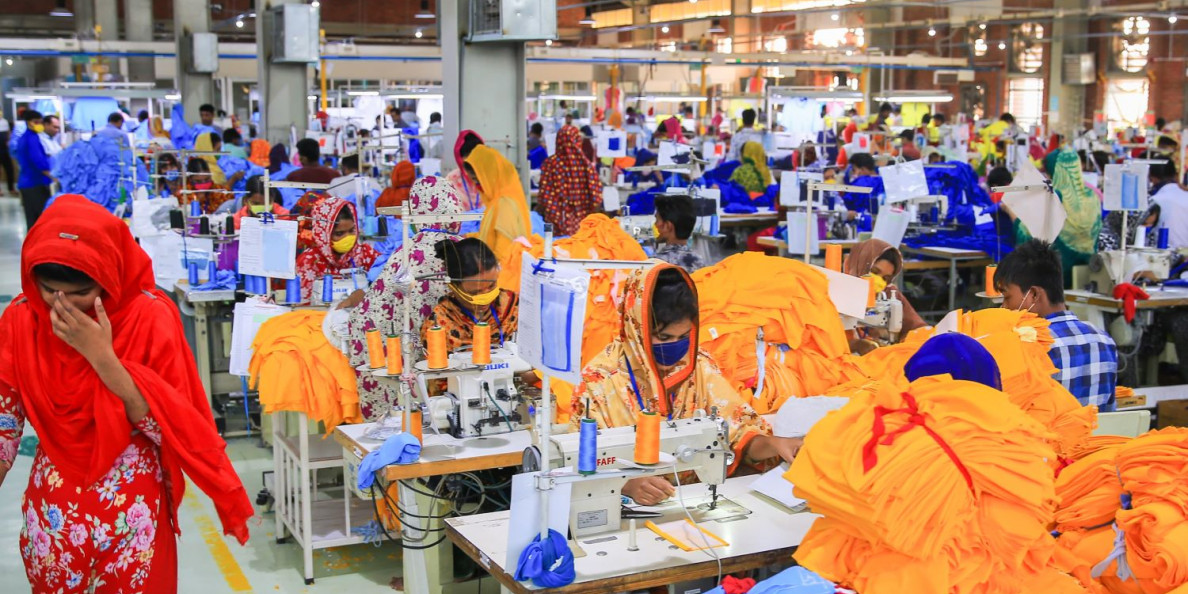
Bangladesh's export-oriented textile and apparel industry consumes around 9 million bales of cotton every year. The country imports 7.5–8 million bales annually to meet this demand. During FY2025–26, Bangladesh imported about 7.3 million bales of raw cotton worth nearly Tk45,000 crore.
According to the CDB, increasing domestic production to 500,000 bales by 2030 could save around Tk800 crore in foreign exchange each year by reducing cotton imports. The roadmap focuses on introducing hybrid cotton varieties, expanding cultivation areas, and providing continued incentives for farmers. Cotton cultivation currently covers around 45,000 hectares, although the CDB estimates that nearly 200,000 hectares have the potential for cultivation.
The government plans to expand cotton farming mainly in char lands, the Barind region, and suitable plain areas in hilly districts where food crop production is limited. Officials said the strategy is designed to increase cotton production without affecting food security.
To support the expansion, the government has allocated Tk20 crore for cotton cultivation incentives in FY2026–27. Around 25,000 marginal farmers across 26 districts will receive quality seeds, fertilizers, and pesticides to cultivate cotton as an intercrop on one bigha of land.
The government is also bringing cotton growers under the farmer card program and exploring credit support through carbon trading initiatives to encourage wider adoption.
According to Md Rezaul Amin, Executive Director, CDB, producing cotton on one bigha of land costs around Tk15,000, while farmers can earn nearly Tk60,000 by harvesting about 15 maunds of raw cotton. He added that every kilogram of locally produced cotton saves around $4 in import costs.
Scientists at the Cotton Development Board also highlighted that Bangladesh's climate is suitable for cotton cultivation across more than 32 districts and noted that the introduction of genetically modified cotton varieties could further improve productivity and reduce import dependence.