Whitney Shannon Heckel, Staff Writer, Delta Farm Press
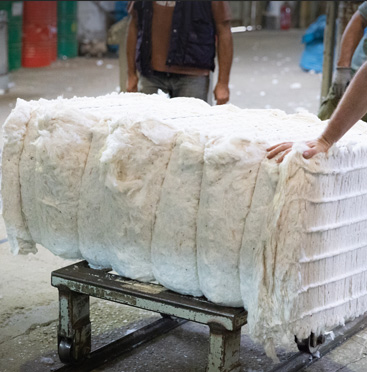
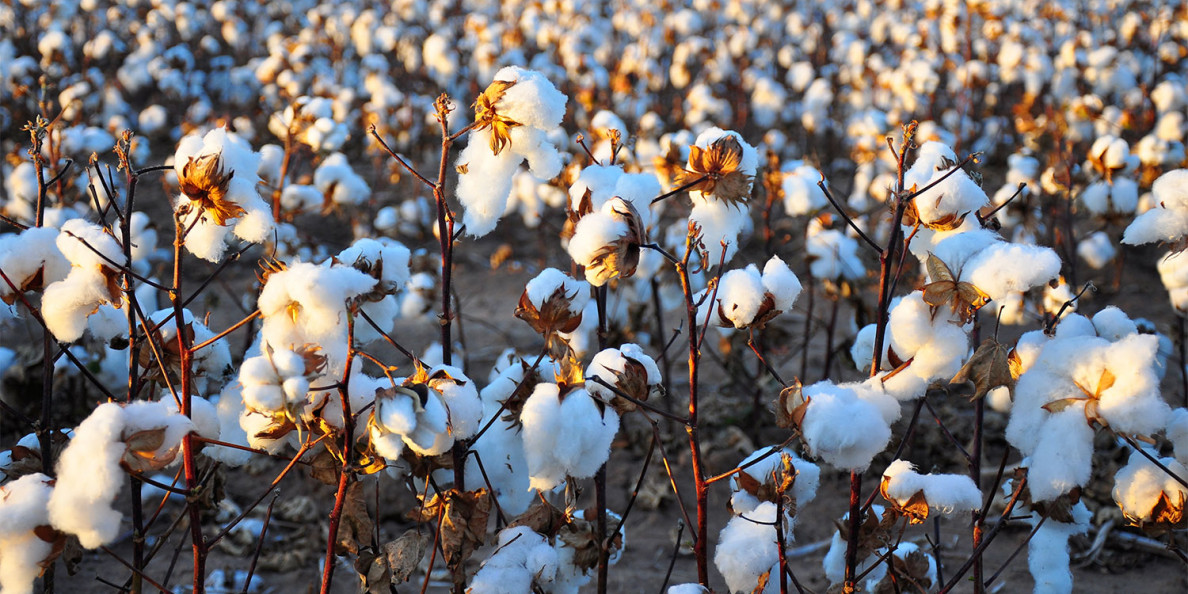
EARTH-FRIENDLY FIBER: The Plant Not Plastic campaign is not just about promoting cotton; it’s about addressing a critical environmental and public health issue.
At a Glance
- National Cotton Council launches Plant Not Plastic campaign initiative.
- Campaign highlights microplastics health risks from synthetic clothing fibers.
- Cotton promoted as natural, biodegradable alternative to polyester materials.
The National Cotton Council recently launched an innovative campaign called Plant Not Plastic aimed at addressing the growing concerns surrounding microplastics and their impact on human health and the environment.
This initiative kicked off in September 2025 and represents a bold step toward promoting cotton as a premium, natural and biodegradable choice compared to alternative, synthetic materials like polyester, spandex and nylon. The Plant Not Plastic campaign is backed by over a decade of research and fosters a strategic approach to conscious consumerism and industry collaboration.
“We are really trying to take science and drive that to compliance for cotton by growing the awareness of the benefits of cotton and the challenges and environmental issues of the competition, mainly being polyester,” said Jesse Daystar, chief sustainability officer at Cotton Incorporated.
In November, Daystar joined Marjory Walker, vice president of council operations for the National Cotton Council. Together, they presented the newly launched campaign during the Cotton and Coffee monthly virtual session, sponsored by The Cotton Board.
The science behind the campaign
Daystar began by outlining the global issue of plastic pollution and its connection to the apparel industry. He explained how cotton’s natural biodegradability positions it as a low-risk alternative to synthetic fibers.
“Plastic concerns are certainly shaping global markets and increasing the pressure on synthetics, our competition. That’s an advantage,” he said. The push toward choosing cotton is supported by intense research, providing eye-opening statistics on the severity of the plastic-driven problem.
Daystar emphasized how unmanaged waste causes environmental impacts, whether it is a plastic bottle left on the side of the road or a polyester shirt buried in the ground or a landfill. Daystar said that 8.3 million metric tons of plastic get into the environment every year as unmanaged waste or plastic leakage from the apparel industry. That’s almost nine times the weight of the Golden Gate Bridge or 820 times the weight of the Eiffel Tower.
He said that of all unmanaged waste, 14% comes from the apparel industry. Of that, 90% is due to the synthetic apparel value chain, making it a significant contributor to global plastic pollution.
Daystar explained Cotton Incorporated’s work to quantify the environmental impact of plastic leakage and promote cotton’s biodegradability. “We’ve shown consistently that cotton biodegrades in various conditions, whether that’s in saltwater, freshwater or even wastewater treatment sludge,” he said.
Recognizing the impact of microplastics and plastic pollution within sustainability metrics is another piece of the puzzle. “Plastic pollution and microfibers have not traditionally shown up in sustainability tools like life cycle assessments. Our work is critical to developing the metrics that brands use to measure sustainability,” he said.
In all, Daystar believes this initiative will take coordinated industry action. “It is essential to convert this advantage into measurable demand for cotton, which is what we’re going for,” he said, emphasizing the importance of connecting science to key audiences and driving consumer awareness.
A bold strategy to promote cotton
Walker presented the campaign’s strategy and described how it directly addresses the risks of synthetic clothing and highlights the benefits of choosing cotton.
“Plant Not Plastic is intentionally bold, distinctive and directly links the microplastics in clothing to public health in a way that cotton hasn’t done before,” Walker said.
She explained that the campaign aims to shift consumer focus from microplastics in food and water to the microplastics shed by synthetic clothing. “We’re moving people away from only thinking that microplastics are in food and drinks, making them aware they’re also in our clothing. They end up in our body where nobody wants them,” she said.
The campaign’s tagline, “What you wear matters,” encapsulates this message, urging consumers to choose cotton as a healthier and more sustainable option. It is supported by a variety of assets, including science-based fact sheets, infographics, short videos and social media content. Walker showcased the first video released on launch day, which vividly illustrates the journey of microplastics from synthetic clothing into the human body.
According to the video, “With each wash and wear, clothes made from synthetic fabrics shed invisible microplastics into the air we breathe. They don’t break down; they break in. Microplastics have been detected in the lungs, bloodstream and brain — places plastics should not be.”
Walker said consumer engagement is key, and the campaign is directly designed toward consumers through social media and cultural experience. The campaign’s central hub, plantnotplastic.org, serves as a resource for consumers, featuring a ticker that shows how many microplastics an individual consumes daily. “Our goal is building education, awareness and knowledge. It’s all science-backed,” Walker explained.
A call to action
Both Daystar and Walker highlighted the importance of collective action in driving the campaign’s success. Daystar urged industry stakeholders to leverage the research and resources provided by Cotton Incorporated, while Walker called on consumers to share the campaign’s content and make informed choices. “By making a simple choice, choosing cotton, you can protect yourself and those you love,” she stated.
The Plant Not Plastic campaign is not just about promoting cotton: It’s about addressing a critical environmental and public health issue. With its bold messaging and science-backed approach, the campaign aims to reshape consumer behavior and position cotton as the natural solution to the synthetic fiber problem.
“Check the label to protect yourself and those around you. What is in the products that you are buying?” Walker urged.