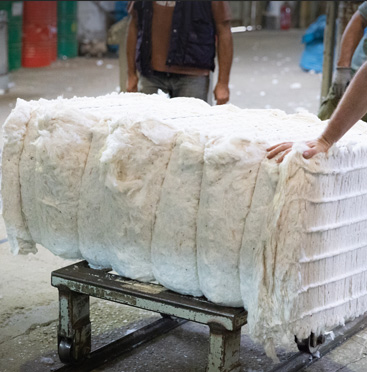
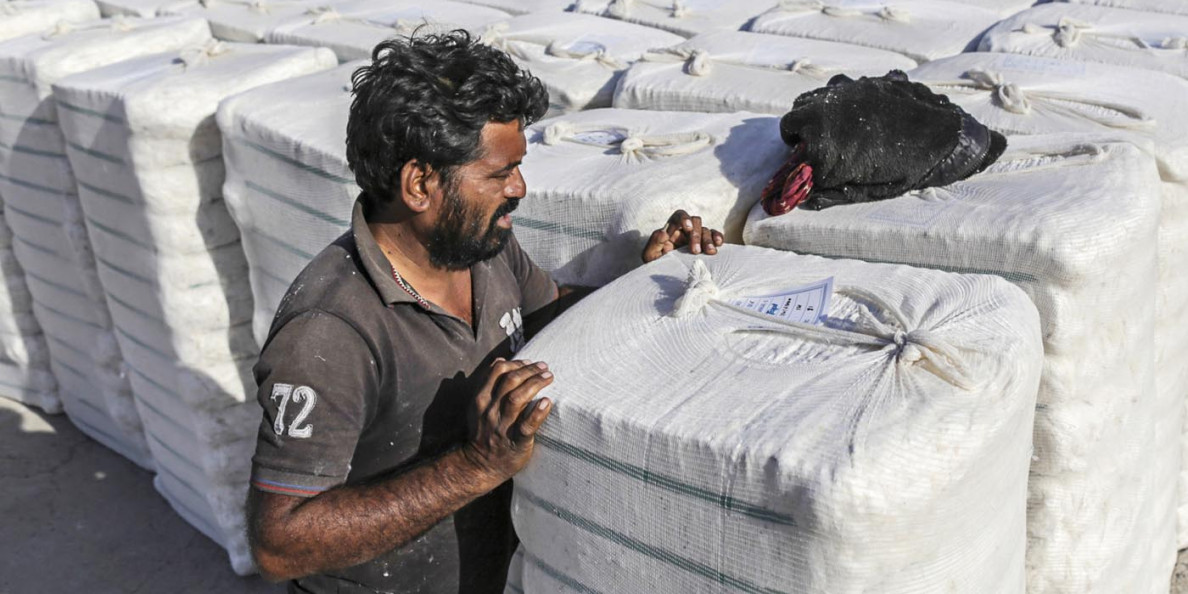
The Indian textile sector, a cornerstone of the nation's manufacturing landscape, is facing mounting challenges as domestic cotton supplies lag behind growing industry demand. With spinning mills and apparel manufacturers contending with high input costs and a significant supply shortfall, the government is now reconsidering its policy on cotton import duties, signaling possible relief for the sector in the near future.
Background: Cotton shortage strains textile sector
India, one of the world’s largest cotton producers and exporters, has traditionally relied on robust domestic harvests to power its textile industry. However, in recent years, erratic weather patterns, shifting crop cycles, and changing global market dynamics have disrupted local cotton availability. The 2025-26 season is expected to see arrivals of approximately 292.15 lakh bales, while industry estimates peg the year’s requirement at nearly 337 lakh bales. This projected gap of 45 lakh bales has put pressure on the sector, according to data shared with government officials by industry representatives.
Industry calls for urgent policy action
Faced with this shortage, textile industry stakeholders have been vociferous in their calls for the removal of the 11 per cent customs duty imposed on raw cotton imports. Delegations representing apparel manufacturers and exporters have engaged with senior policymakers and even met Vice President C P Radhakrishnan and several Union ministers to highlight the urgent need for action. Their argument centers on the rising cost of procuring high-quality raw cotton—an essential input for spinning mills and downstream manufacturers. The duty, they contend, not only makes imports more expensive but also exacerbates cost pressures for domestic players competing in global markets
Government response: Multi-ministry consultations underway
The government has acknowledged the seriousness of the situation, with a senior official confirming to PTI that consultations among the ministries of finance, textiles, and agriculture are in an advanced stage. "We are talking to Finance and Agriculture (ministries), both, and it is in an advanced stage of consultation. We hope that the consultation will be finalised in the near future," the official was quoted as saying. The deliberations are focused on balancing the interests of cotton growers with those of the wider textile manufacturing community, which is a significant employer and exporter for India.
Impact on the textile value chain
Stakeholders say the current cotton shortfall is not just a numbers game—it has real consequences for the competitiveness of India’s textile sector. Spinning mills, which form the backbone of the industry, are particularly vulnerable to disruptions in the supply of quality cotton. With rising global prices and limited domestic availability, mills are forced to pay a premium for imports, inflating their overall production costs. This, in turn, can undermine their ability to fulfill export orders competitively, potentially impacting India’s share in key markets for garments and textiles.
Broader implications and policy trade-offs
While the removal of import duties could provide immediate relief to manufacturers, policymakers must also consider the impact on domestic cotton farmers, who benefit from higher local prices when imports are restricted. The government’s challenge lies in crafting a policy that addresses the urgent needs of the industry without undermining rural incomes. Some experts suggest that a temporary or calibrated reduction in duties—rather than a blanket removal—could be a viable compromise, supporting the sector through the current crunch while safeguarding farmer interests.
Additionally, the current situation has reignited discussions around the need for better forecasting, improved cotton yield, and investment in agricultural technology to reduce the sector’s exposure to supply-side shocks in the future.
Looking ahead: Decision expected soon
The outcome of the ongoing consultations is keenly awaited by industry participants, with a decision expected in the coming weeks. Any move to remove or reduce the cotton import duty would be closely watched by global cotton suppliers and could alter the dynamics of the international cotton trade. For India, the stakes are high, as the textile sector not only drives exports but also supports millions of jobs across the country.
As policymakers weigh competing priorities, the sector is hopeful that a pragmatic solution will emerge—one that preserves the competitiveness of India’s textile industry while fostering long-term resilience in the cotton supply chain.
Πηγή: economictimes.indiatimes.com