
On the commodities front, markets are in “overdrive” for two major reasons:
- - The United States is experiencing a severe drought, and the prospect of an “El Niño” year is becoming increasingly likely.
- - The Gulf War has triggered, among other things, an unprecedented crisis in the sulfur market, which is impacting certain metals such as copper, nickel, and cobalt, but especially fertilizers. Indeed, without sulfur, there can be no fertilizers—particularly phosphate-based ones. When nearly 30% of this element comes from the Gulf and is blocked in the Strait of Hormuz, chain reactions will multiply.
The first consequences of the fertilizer shortage and unpredictable weather will soon become apparent. The price of urea, which provides nitrogen to plants, has doubled in just a few weeks. American producers themselves are prioritizing the export of this raw material over the domestic market. Argentina has seen its harvests jeopardized by the lack of fertilizer, and the consequences for India, the world’s most populous country, could be devastating.
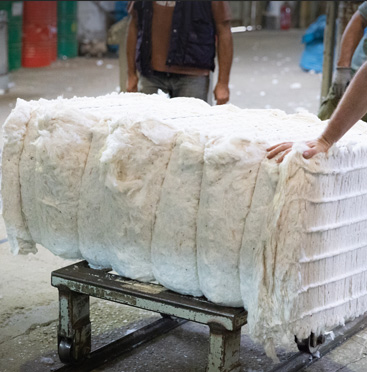
Brazil, the world’s breadbasket, is seeing its cotton harvests revised downward and its planted acreage reduced.
Domestic cotton prices continue to rise in China despite the announced record harvest…
But when it comes to cotton, we must remain clear-headed: the surge in prices is primarily due to speculation, which has reversed its bearish positions in favor of a bull market. While this is welcome news as the May 26 contract expires, there are still several factors to be concerned about:
- - The next contract, July 2026, marks the end of the current crop, during which there is no shortage of cotton (yet). However, if cotton becomes scarce for the next season, the spread between nearterm and longer-term contracts should narrow (less cotton to carry in inventory).
- - This upward movement is reminiscent, in terms of volume and magnitude, of the 2008 rally, when the rise in physical prices was uncorrelated with that of the financial markets in the midst of the crisis.
- - Consumption of textile products will suffer if a recession sets in.
The aim here is not to play the role of a doomsayer, but to remind that physical and financial markets are intertwined and must move in tandem.
Πηγή: Mambo