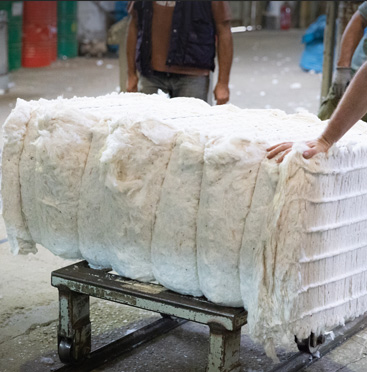

Cotton Ginners Forum Chairman Ihsanul Haq says the bullish trend in cotton prices is likely to continue in the current week as well. He explains that rising global oil prices have caused an unusual spike in polyester fiber prices, which increased by a record Rs30 per kg in the local market over the past week. The surge in polyester prices has pushed up cotton yarn rates, consequently increasing demand for cotton.
He notes that textile mills are unexpectedly purchasing larger quantities of quality cotton this year for the production of summer garments, compared to previous years. Initially, this demand was being met through imported cotton, but due to the ongoing war conditions, shipments of imported cotton have been suspended, he says. As a result, textile mills have turned to the domestic market, where the availability of quality cotton is extremely limited, triggering the recent price hike, he adds.
According to Haq, the upward trend may continue in the coming days, and cotton prices could touch Rs18,000 per maund after Eidul Fitr if the current supply situation persists.
He adds that an FCA meeting is reportedly scheduled for the first week of April and urges the committee to set realistic targets this year so that stakeholders’ confidence in the institution could be restored.
Haq highlights that since Dec12, 2025, the Karachi Cotton Association (KCA) building has remained sealed by the Federal Investigation Agency (FIA). As a result, the official cotton spot rate has not been issued, meaning Pakistani cotton currently has no formal representation in the global cotton markets – an unprecedented situation in the country’s history.
The Sindh High Court had reserved its verdict in the KCA case on March 4, which has yet to be announced, causing concern among all cotton sector stakeholders.
Πηγή: dawn.com